


Conservation
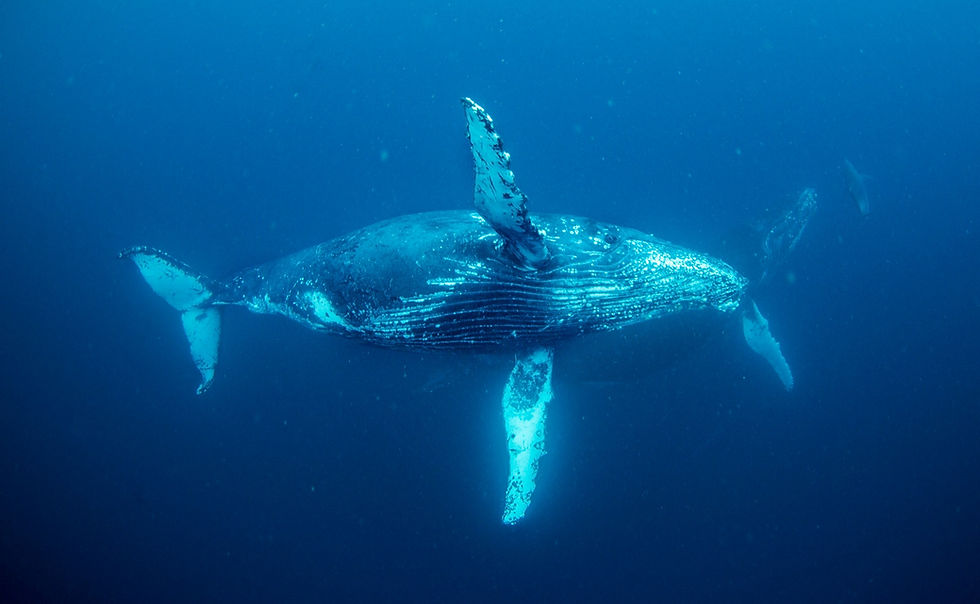
A conservação das grandes baleias é um tema que vem se tornando cada vez mais complexo. Milhares de pessoas se mobilizaram em vários países para evitar sua extinção pela caça indiscriminada, e graças a isso várias espécies e populações estão se recuperando ao redor do planeta. Mas hoje as baleias enfrentam outros desafios para a sua sobrevivência, e depende de nós reduzir o impacto humano nos oceanos para assegurar um futuro harmônico e saudável para as baleias - e para as pessoas!

Pollution
Hunting
Like all species of large whales, humpback whales suffered immense depredation by indiscriminate commercial hunting, which began in the 18th century and extended, for the species, until the 1960s in the Southern Hemisphere. It is estimated that more than XXX .XXX humpbacks were killed by this predatory practice, until its prohibition by the International Whaling Commission in 1965.
We are a family owned and operated business.
In Brazil, humpbacks have been hunted since 1602, first in the Bahian Recôncavo region with the arrival of Basque whalers, and then by coastal whale hunting stations, called armações, which settled between Bahia and Santa Catarina and systematically killed humpbacks throughout the region. less between Bahia and the coast of São Paulo. In the first half of the 20th century, Norwegian and Japanese whalers brought ships to kill the remaining whales in Brazilian waters, a massacre that only ended once in 1985 when then President José Sarney stopped whaling in the country. In 1987, Congress passed federal law 7,643, which prohibits the intentional capture and harassment of all species of cetaceans in Brazilian jurisdictional waters, crowned nearly two decades of campaigns against killing by Brazilian activists, and inaugurated a new state policy of Brazil in favor of the conservation and the exclusively non-lethal use of these animals through scientific research and Ecotourism.
At Praia do Forte, the ruins of the existing whaling frame in what are now the gardens of the Tivoli Ecoresort constitute one of the oldest historical testimonies of whaling activity still existing in Brazil.

Pollution
Like all other mammals, and especially because they are top animals in the food chain, whales are impacted by pollution of the oceans. In particular, chemical compounds that depress the immune system and reproductive capacity, such as those from pesticides and other compounds such as anti-fouling paints used in boat hulls, can cause serious damage to animals.
Plastics in the oceans are also a serious problem. They not only choke or starve animals, clogging the digestive system when ingested, but they also contaminate the entire food chain through its degradation in microplastics, with enormous potential damage to the health and reproductive capacity of marine animals (and ours also each time we eat fish!).
Acoustic pollution is also a very serious problem in the oceans, which directly affects cetaceans, since these animals use sound to communicate and orient themselves in the marine environment. The carrying out of seismic activities for mineral exploration, the use of powerful sonar for military purposes and the noise of maritime traffic, especially in port areas and commercial shipping routes, are impacts that can cause serious damage to whales and / or hinder their social life .

Netting in Fishing Nets
One of humanity's worst impacts on marine life is the so-called “incidental capture” of marine animals through fishing nets. An immense number of marine animals are caught during fishing activities with a net, and are discarded dead because they have no commercial value (or because they are protected by law and their capture is supposedly prohibited). Among these animals are species that are already vulnerable and threatened with extinction, such as sharks, birds, sea turtles and whales and dolphins, among others. It is estimated that globally more than 650,000 marine mammals die each year from fishing nets.
We are a family owned and operated business.
In addition to the active fishing nets, many of the animals dies victim of so - called "ghost nets", which are entire networks or lost pieces or purposely abandoned by fishermen, and by being very light material below the floating half water, killing everything that comes in contact with them. In Brazil, there are frequent cases of whales and dolphins injured or killed by entanglement in fishing nets.

Collision with Vessels
With the gradual recovery of whale populations after hundreds of years of indiscriminate hunting, they are returning to reoccupying their original areas of distribution in the seas - and finding waters very different from those frequented by their ancestors, since human activity has increased exponentially, including the traffic of large vessels that feed world trade. This has led to a worrying increase in cases of collisions between ships and whales, often resulting in their deaths.
In Brazil, the problem is not yet a threat to the species of large whales that reproduce here, but in order to prevent their worsening, the Baleia Jubarte Project develops initiatives with business partners to study, debate and forward solutions. A successful example of an initiative is the Working Group coordinated by the Project, with the participation of Veracel Celulose, Suzano [Fibria?] And Norsul Navegação, which uses a combination of on-board observers, crew training and route management navigation to reduce the risk of collisions in the transport of eucalyptus logs by barges in the Abrolhos bank region. Since the implementation of this partnership, no case of collision with barges has been registered in the region, making it an international model of cooperation.

Public policy
The major issues related to the conservation of whales and the marine environment depend fundamentally on the adoption of public policies, in the form of the adoption of laws, rules and action programs by government agencies. Often, however, governments and international organizations that are responsible for these policies depend on the input of technical and scientific information from academic and environmental institutions to support decision-making.
Fulfilling its function of promoting marine conservation, the Baleia Jubarte Institute and the Project collaborate directly with public authorities at various levels, regardless of party or government, and with relevant international bodies so that public policies regarding the conservation of whales, marine environment, and its sustainable use are informed by the best available knowledge and rely on our experience of more than three decades of work.

Netting in Fishing Nets
One of humanity's worst impacts on marine life is the so-called “incidental capture” of marine animals through fishing nets. An immense number of marine animals are caught during fishing activities with a net, and are discarded dead because they have no commercial value (or because they are protected by law and their capture is supposedly prohibited). Among these animals are species that are already vulnerable and threatened with extinction, such as sharks, birds, sea turtles and whales and dolphins, among others. It is estimated that globally more than 650,000 marine mammals die each year from fishing nets.
We are a family owned and operated business.
In addition to the active fishing nets, many of the animals dies victim of so - called "ghost nets", which are entire networks or lost pieces or purposely abandoned by fishermen, and by being very light material below the floating half water, killing everything that comes in contact with them. In Brazil, there are frequent cases of whales and dolphins injured or killed by entanglement in fishing nets.